
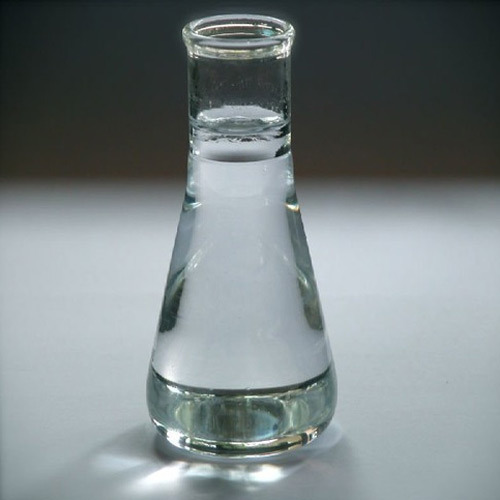
Buy Glycerine glycerol syrup Cas 56-81-5
Glycerine, also known as glycerol, is an odourless, and viscous liquid which is an indispensable ingredient in various industries. Its unique properties make it an ideal humectant, solvent, and emollient, suitable for a wide range of applications in pharmaceuticals, food, industrial, cosmetics and personal care products.
Glycerine attracts and retains moisture from the air, helping to maintain hydration in formulations and preventing drying or dehydration. This makes it an excellent ingredient in skincare products, such as moisturisers, creams, and lotions.
Additionally, its solvent properties make it an effective ingredient in pharmaceutical applications, such as in the production of tablets, capsules, and ointments.
Glycerine is a natural preservative, helping to extend the shelf life of products, a lubricant, reducing friction and wear on machinery and equipment.
Key Usages For Glycerine:
- Skincare and Cosmetics: Used in moisturisers, creams, lotions, and soaps to help retain moisture, soften skin, and reduce dryness.
- Pharmaceuticals: Used as a solvent, humectant, and lubricant in the production of tablets, capsules, ointments, and other pharmaceutical products.
- Personal Care: Used in shampoos, conditioners, and body washes to help moisturise and nourish hair and skin.
- Industrial Applications: A lubricant, solvent, and humectant in various industrial applications such as in the production of plastics, adhesives, and textiles.
- Medical Applications: Used in medical applications such as in the treatment of skin conditions, wound care, and as a component in medical devices.
- Vaping & E-Cigarettes: Used for vapour production and as a nicotine carrier in e-liquids designed for vaping products and devices.
- Food & Beverage: Used as a humectant to retain moisture, prevent sugar crystallisation, and add sweetness, smoothness, and bulk in baked goods.
- Agricultural Applications: A humectant and solvent in agricultural applications such as in the production of fertilisers and pesticides.
- Biotechnology: A cryoprotectant to help preserve cells and tissues in biotechnology applications.
- Research and Development: Used as a solvent and humectant in the development of new pharmaceuticals and cosmetics.
High Quality General Reagent Grade Glycerine
Vegetable Glycerine / glycerol / glycerin is a colourless, viscous liquid. Glycerine has three hydrophilic hydroxyl groups that are responsible for its solubility in water and its hygroscopic nature. A very interesting property of vegetable glycerin is that it is very highly hygroscopic, which means that it absorbs water from the air. For example, if you leave a bottle of glycerine / glycerol exposed to air, it would eventually become 80% glycerin and 20% water. Up until the 19th Century, glycerin was mostly produced by the candle-making industry that made candles from animal fats at that time.
PLEASE NOTE: This product is not for human or animal consumption.
Applications
Vegetable Glycerine / glycerol / glycerin is used in many cosmetic and personal care preparations.It improves smoothness and acts as a lubricant and humactant (moisturiser). It is used in soaps, creams, hair products, sprays and in water based personal lubricants.
Glycerine / Glycerol / glycerin soaps have become very popular with more and more people making their own. Apart from being relatively easy to make they allow makers to tailor the soap using their own additives, fragrances, essential oils, botanicals etc. Glycerin soap is excellent for those with sensitive skin and a great moisturiser.
Glycerine is a very effective antifreeze and a 70:30 glycerine : water will reduce the freezing point of water to -37°C. It does this by disputing the formation of ice crystals when temperatures fall below 0°C. Although not as effective as ethylene glycol or propylene glycol, Glycerine offers a safer, non toxic option.
Glycerine will help prevent mirrors and glass from fogging or steaming up. Add a small amount to water and apply to surface and buff dry.
In organic synthesis, glycerine is used as a readily available prochiral building block.
Glycerine / Glycerol / glycerin can also serve as a substitute for petroleum based products. Glycerine / Glycerol / glycerin derived propylene glycol are substitutes for petroleum-based propylene.
Research laboratory usage
Vegetable Glycerine / Glycerol / glycerin is a common component of solvents for enzymatic reagents stored at temperatures below zero degrees Celsius due to the depression of the freezing temperature of solutions with high concentrations of glycerine. It is also dissolved in water to reduce damage by ice crystals to laboratory organisms that are stored in frozen solutions, such as bacteria, nematodes, and fruit flies. Samples are loaded into agarose gel electrophoresis mixed in loading buffers that mainly consist of Glycerine; when the sample is injected into wells, the Glycerine causes the solution to sink through the running buffer to the bottom of the well.
Potential uses
Some potential uses for vegetable Glycerine / Glycerol / glycerin include the following:
- Glycerine acetate (as a potential fuel additive)
- Compost additive
- For Tincture extraction and preservation of Essential oils and chemicals from herbs.
- Citric acid production
- Conversion to propylene glycol
- Conversion to ethanol
- Glycerine / Glycerol / glycerin may be used as antifreeze for plants, if mixed with water in a 10% solution. It is believed to be effective at temperatures near -18C
- Glycerine / Glycerol / glycerin may serve as a source of energy used in waste water treatment plant digesters
- Glycerin is used in textiles to soften the yarn and to lubricate fibres of different kinds. In the textile industry.
- To add flexibility to rubber and plastic.
- As a building block in manufacturing flexible foams
-
An initiator to which ethylene oxide or propylene oxide are addedIn Paper and Printing –
-
It is used to soften and reduce the shrinkage during paper manufacturing. It is used in the following: Grease proof paper, Food wrappers and Printing ink.
Preserving Tree Branches with Glycerine
- Cut branches when colour begins to change, before the leaves are completely tinted. (Fully turned leaves are too dry and brittle.) Beech, oak, wild apple, mountain ash and copper beech are well suited for this method of preservation.
- Use a solution of 2 parts water to 1 part Glycerine. The amount needed depends on the size of the branches. (The stems must be in liquid to a depth of 3 to 4 inches.)
- Trim off any small twigs at the bottom of the branch. Slit the bottom of each stem with a sharp knife to 3 or so inches.
- Next, bruise the stalks with a hammer.
- Arrange the branches in a container of the water/glycerine mixture and place in a cool room for a week to ten days. The leaves will last for years! Makes great centrepieces and displays.
Vegetable Glycerine for use on Hair
Glycerine / glycerol is excellent for hydrating the hair by locking moisture into the hair cuticles and helps produce better quality curls without frizzing. Its great for making afro hair soft and shiny. It is claimed that as glycerine make hair healthier it helps promote hair growth. Glycerine should never be used in its concentrated form as it will leave hair feeling very oily. Make up a solution by mixing glycerine / glycerol 50;50 with water in a spray bottle. Add a few drops of your favourite essential oils. Spray onto your hair after showering.
Vegetable Glycerine for use on Skin
.
Properties of Glycerine:
- Chemical Names: Glycerol, Glycerin, glycerine, 1, 2, 3 propane triol, Trihdroxy propane.
- Description: Clear, colourless viscous liquid.
- EINECS: 200-289-5
- CAS No: 56-81-5
- FORMULA: C3H8O3
- Molecular weight: 92.09
- Glycerine content: Min 99.5%
- Specific gravity 25/25oC: Not less than 1.257
- Boiling point: 290C
- Melting point: 18.17C
- Eutectic freezing point: -46.5C (67% solution of glycerine in water)
- Flash point: 177C
- Autoignition point: 523C
- Refractive index: 1.471-1.474
- Viscosity: 1.2-1.4 Pa.s
- Specific heat: 0.5795 cal pr gm deg (26C)
- Vapour Pressure: 0.0025 mm (50°C)
- Heat of Combustion: 397.0 Kcal per mole
- Surface Tension: 63.4 dynes cm (20°C)
- Sound Transmission: 1923 m/sec (20°C)
- Thermal Conductivity: 0.00069 1 cal cm deg/sec (0°C)
- Molar Heat of Solution: 1381 cal
- Dissociation Constant: 0.07 x 10⁻¹²
- Dielectric Constant: 42.48 (25°C)
- Specific Conductivity: 5.6 X 10⁻⁸ reciprocal ohms (11.7C)
- Compressibility: 21.1 X 10⁻⁶ cc per atm pr cc (28.5C)
Glycerol (/ˈɡlɪsərɒl/)[6] is a sugar alcohol[7] with chemical formula C3H5(OH)3. It has three carbon atoms with one hydroxyl group on each. Glycerol is a colorless, odorless, sweet-tasting, viscous liquid at Standard Ambient Temperature and Pressure (SATP). Because of its three hydroxyl groups, glycerol is miscible with water and is hygroscopic in nature.[8]
The glycerol backbone is found in lipids known as glycerides, where one or more of the hydroxyl groups are esterified with fatty acids. The most abundant of glycerides are triglycerides (found in animal fats and vegetable oils), the form in which glycerol is most commonly found in nature. It is also widely used as a sweetener in the food industry and as a humectant in pharmaceutical formulations.
Modern use of the word glycerine (alternatively spelled glycerin) refers to commercial preparations of glycerol that are less than 100% purity, typically 95%.[9]
Structure
Although achiral, glycerol is prochiral with respect to reactions of one of the two primary alcohols. Thus, in substituted derivatives, the stereospecific numbering labels the molecule with a sn– prefix before the stem name of the molecule.[10][11][12]
Production
Natural sources
Glycerol is generally obtained from plant and animal sources where it occurs in triglycerides, esters of glycerol with long-chain carboxylic acids. The hydrolysis, saponification, or transesterification of these triglycerides produces glycerol as well as the fatty acid derivative:


Triglycerides can be saponified with sodium hydroxide to give glycerol and fatty sodium salt or soap.
Typical plant sources include soybeans or palm. Animal-derived tallow is another source. From 2000 to 2004, approximately 950,000 tons per year were produced in the United States and Europe; 350,000 tons of glycerol were produced in the U.S. alone.[13] Since around 2010, there is a large surplus of glycerol as a byproduct of biofuel, enforced for example by EU directive 2003/30/EC that required 5.75% of petroleum fuels to be replaced with biofuel sources across all member states.[8] Crude glycerol produced from triglycerides is of variable quality, with a selling price as low as US$0.02–0.05 per kilogram in 2011.[14] It can be purified in a rather expensive process by treatment with activated carbon to remove organic impurities, alkali to remove unreacted glycerol esters, and ion exchange to remove salts. High purity glycerol (greater than 99.5%) is obtained by multi-step distillation; a vacuum chamber is necessary due to its high boiling point (290 °C).[8]
Consequently, glycerol recycling is more of a challenge than its production, for instance by conversion to glycerol carbonate[15] or to synthetic precursors, such as acrolein and epichlorohydrin.[16]
Synthetic glycerol
Although more expensive than production from plant or animal triglycerides, glycerol can be synthesized by various routes. During World War II, synthetic glycerol processes became a national defense priority because it is a precursor to nitroglycerin. Epichlorohydrin is the most important precursor. Chlorination of propylene gives allyl chloride, which is oxidized with hypochlorite to dichlorohydrin, which reacts with a strong base to give epichlorohydrin. Epichlorohydrin can be hydrolyzed to glycerol. Chlorine-free processes from propylene include the synthesis of glycerol from acrolein and propylene oxide.[8]

Applications
Food industry
In food and beverages, glycerol serves as a humectant, solvent, and sweetener, and may help preserve foods. It is also used as filler in commercially prepared low-fat foods (e.g., cookies), and as a thickening agent in liqueurs. Glycerol and water are used to preserve certain types of plant leaves.[17]
It is recommended as an additive when polyol sweeteners such as erythritol and xylitol are used, as its perceived heating effect in the mouth will counteract these sweeteners’ perceived cooling effect.[18]
Medical


Glycerol is used in medical, pharmaceutical and personal care preparations, often as a means of improving smoothness, providing lubrication, and as a humectant.
Ichthyosis and xerosis have been relieved by the topical use of glycerin.[19][20] It is found in allergen immunotherapies, cough syrups, elixirs and expectorants, toothpaste, mouthwashes, skin care products, shaving cream, hair care products, soaps, and water-based personal lubricants. It is used to keep tablets and other solid dosage forms from falling apart. For human consumption, glycerol is classified by the FDA among the sugar alcohols as a caloric macronutrient. Glycerol is also used in blood banking to preserve red blood cells prior to freezing.[21]
Taken rectally, glycerol functions as a laxative by irritating the anal mucosa and inducing a hyperosmotic effect,[22] expanding the colon by drawing water into it to induce peristalsis resulting in evacuation.[23] It may be administered undiluted either as a suppository or as a small-volume (2–10 ml) enema. Alternatively, it may be administered in a dilute solution, such as 5%, as a high-volume enema.[24]
Taken orally (often mixed with fruit juice to reduce its sweet taste), glycerol can cause a rapid, temporary decrease in the internal pressure of the eye. This can be useful for the initial emergency treatment of severely elevated eye pressure.[25]
In 2017, researchers showed that the probiotic Limosilactobacillus reuteri bacteria can be supplemented with glycerol to enhance its production of antimicrobial substances in the human gut. This was confirmed to be as effective as the antibiotic vancomycin at inhibiting Clostridioides difficile infection without having a significant effect on the overall microbial composition of the gut.[26]
Glycerol solutions have been used for the preservation and storage of tissue grafts at ambient conditions as an alternative to frozen storage.[27]
Glycerol has also been incorporated as a component of bio-ink formulations in the field of bioprinting.[28] The glycerol content acts to add viscosity to the bio-ink without adding large protein, saccharide, or glycoprotein molecules.
It is on the World Health Organization’s List of Essential Medicines for its use in treating atopic eczema.[29][30]
Botanical extracts
When utilized in tincture method extractions, specifically as a 10% solution, glycerol prevents tannins from precipitating in ethanol extracts of plants (tinctures). It is also used as an “alcohol-free” alternative to ethanol as a solvent in preparing herbal extractions. It is less extractive when utilized in a standard tincture methodology. Alcohol-based tinctures can also have the alcohol removed and replaced with glycerol for its preserving properties. Such products are not “alcohol-free” in a scientific or FDA regulatory sense, as glycerol contains three hydroxyl groups. Fluid extract manufacturers often extract herbs in hot water before adding glycerol to make glycerites.[31][32]
When used as a primary “true” alcohol-free botanical extraction solvent in non-tincture based methodologies, glycerol has been shown to possess a high degree of extractive versatility for botanicals including removal of numerous constituents and complex compounds, with an extractive power that can rival that of alcohol and water–alcohol solutions.[33] That glycerol possesses such high extractive power assumes it is utilized with dynamic (critical) methodologies as opposed to standard passive “tincturing” methodologies that are better suited to alcohol. Glycerol does not denature or render a botanical’s constituents inert as alcohols (ethanol, methanol, and so on) do. Glycerol is a stable preserving agent for botanical extracts that, when utilized in proper concentrations in an extraction solvent base, does not allow inverting or reduction-oxidation of a finished extract’s constituents, even over several years.[citation needed] Both glycerol and ethanol are viable preserving agents. Glycerol is bacteriostatic in its action, and ethanol is bactericidal in its action.[34][35][36]
Electronic cigarette liquid
.jpg)
Glycerin, along with propylene glycol, is a common component of e-liquid, a solution used with electronic vaporizers (electronic cigarettes). This glycerol is heated with an atomizer (a heating coil often made of Kanthal wire), producing the aerosol that delivers nicotine to the user.[37]
Antifreeze
Like ethylene glycol and propylene glycol, glycerol is a non-ionic kosmotrope that forms strong hydrogen bonds with water molecules, competing with water-water hydrogen bonds. This interaction disrupts the formation of ice. The minimum freezing point temperature is about −38 °C (−36 °F) corresponding to 70% glycerol in water.
Glycerol was historically used as an anti-freeze for automotive applications before being replaced by ethylene glycol, which has a lower freezing point. While the minimum freezing point of a glycerol-water mixture is higher than an ethylene glycol-water mixture, glycerol is not toxic and is being re-examined for use in automotive applications.[38][39]
In the laboratory, glycerol is a common component of solvents for enzymatic reagents stored at temperatures below 0 °C (32 °F) due to the depression of the freezing temperature. It is also used as a cryoprotectant where the glycerol is dissolved in water to reduce damage by ice crystals to laboratory organisms that are stored in frozen solutions, such as fungi, bacteria, nematodes, and mammalian embryos. Some organisms like the moor frog produce glycerol to survive freezing temperatures during hibernation.[40]
Chemical intermediate
Glycerol is used to produce a variety of useful derivatives.
Nitration gives nitroglycerin, an essential ingredient of various explosives such as dynamite, gelignite, and propellants like cordite. Nitroglycerin under the name glyceryl trinitrate (GTN) is commonly used to relieve angina pectoris, taken in the form of sublingual tablets, patches, or as an aerosol spray.
Trifunctional polyether polyols are produced from glycerol and propylene oxide.
Oxidation of glycerol affords mesoxalic acid.[41] Dehydrating glycerol affords hydroxyacetone.
Chlorination of glycerol gives the 1-chloropropane-2,3-diol:
- HOCH(CH2OH)2 + HCl → HOCH(CH2Cl)(CH2OH) + H2O
The same compound can be produced by hydrolysis of epichlorohydrin.[42]
Epoxidation by reaction with epichlorohydrin and a Lewis acid yields Glycerol triglycidyl ether.[43][44]
Vibration damping
Glycerol is used as fill for pressure gauges to damp vibration. External vibrations, from compressors, engines, pumps, etc., produce harmonic vibrations within Bourdon gauges that can cause the needle to move excessively, giving inaccurate readings. The excessive swinging of the needle can also damage internal gears or other components, causing premature wear. Glycerol, when poured into a gauge to replace the air space, reduces the harmonic vibrations that are transmitted to the needle, increasing the lifetime and reliability of the gauge.[45]
Niche uses
Entertainment industry
Glycerol is used by set decorators when filming scenes involving water to prevent an area meant to look wet from drying out too quickly.[46]
Glycerine is also used in the generation of theatrical smoke and fog as a component of the fluid used in fog machines as a replacement for glycol, which has been shown to be an irritant if exposure is prolonged.
Ultrasonic couplant
Glycerol can be sometimes used as replacement for water in ultrasonic testing, as it has favourably higher acoustic impedance (2.42 MRayl versus 1.483 MRayl for water) while being relatively safe, non-toxic, non-corrosive and relatively low cost.[47]
Internal combustion fuel
Glycerol is also used to power diesel generators supplying electricity for the FIA Formula E series of electric race cars.[48]
Research on additional uses
Research continues into potential value-added products of glycerol obtained from biodiesel production.[49] Examples (aside from combustion of waste glycerol):
- Hydrogen gas production.[50]
- Glycerine acetate is a potential fuel additive.[51]
- Additive for starch thermoplastic.[52][53]
- Conversion to various other chemicals:
- Propylene glycol[54]
- Acrolein[55][56][57]
- Ethanol[58][59]
- Epichlorohydrin,[60] a raw material for epoxy resins
Metabolism
- Relieving constipation by softening the stool and facilitating bowel movements.
- Mild stomach cramps
- Diarrhea if taken in excessive doses
- Store the bottle tightly closed at room temperature, away from moisture and heat. –
- Keep out of reach of children. –
-
Q. Can glycerol syrup be used for infants?Glycerol syrup is generally safe for infants, but it is important to consult a pediatrician for proper dosage and administration.
-
Q. How long does it take for glycerol syrup to work?Glycerol syrup usually produces a bowel movement within 30 minutes to 3 hours after taking it.
-
Q. Can glycerol syrup be taken with other medications?It is advisable to discuss with a healthcare provider before taking glycerol syrup with other medications to prevent any interactions.
-
Q. Is glycerol syrup habit-forming?Glycerol syrup is not habit-forming when used for short-term relief of constipation.
-
Q. Can glycerol syrup be used during pregnancy?Pregnant women should consult with their healthcare provider before using glycerol syrup.
Glycerol / Glycerine / Glycerin (General Use)

Reviews
There are no reviews yet.