
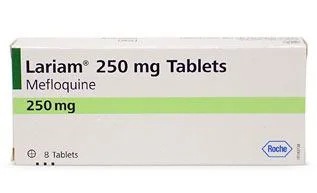
Buy Mefloquine (Lariam) Cas 53230-10-7
Buy Mefloquine (Lariam) Cas 53230-10-7
Mefloquine, sold under the brand name Lariam among others, is a medication used to prevent or treat malaria.[4] When used for prevention it is typically started before potential exposure and continued for several weeks after potential exposure.[4] It can be used to treat mild or moderate malaria but is not recommended for severe malaria.[4] It is taken by mouth.[4]
Common side effects include vomiting, diarrhea, headaches, sleep disorders, and a rash.[4] Serious side effects include potentially long-term mental health problems such as depression, hallucinations, and anxiety and neurological side effects such as poor balance, seizures, and ringing in the ears.[4] It is therefore not recommended in people with a history of mental health problems or epilepsy.[4] It appears to be safe during pregnancy and breastfeeding.[1]
Mefloquine was developed by the United States Army in the 1970s and came into use in the mid-1980s.[5][6][7] It is on the World Health Organization’s List of Essential Medicines.[8][9] It is available as a generic medication.[4]
Medical uses

Mefloquine is used to both prevent and treat certain forms of malaria.[10]
Malaria prevention
Mefloquine is useful for the prevention of malaria in all areas except for those where parasites may have resistance to multiple medications,[11] and is one of several anti-malarial medications recommended by the United States Centers for Disease Control and Prevention for this purpose. It is also recommended by the Infectious Disease Society of America for malaria prophylaxis as a first or second-line agent, depending on resistance patterns in the malaria found in the geographic region visited.[12][13] It is typically taken for one to two weeks before entering an area with malaria.[10] Doxycycline and atovaquone/proguanil provide protection within one to two days and may be better tolerated.[14][15] If a person becomes ill with malaria despite prophylaxis with mefloquine, the use of halofantrine and quinine for treatment may be ineffective.[16]: 4
Malaria treatment
Mefloquine is used as a treatment for chloroquine-sensitive or resistant Plasmodium falciparum malaria, and is deemed a reasonable alternative for uncomplicated chloroquine-resistant Plasmodium vivax malaria.[10][16] It is one of several drugs recommended by the United States’ Centers for Disease Control and Prevention.[17] It is not recommended for severe malaria infections, particularly infections from P. falciparum, which should be treated with intravenous antimalarials.[10][16] Mefloquine does not eliminate parasites in the liver phase of the disease, and people with P. vivax malaria should be treated with a second drug that is effective for the liver phase, such as primaquine.[16]: 4
Resistance to mefloquine
Resistance to mefloquine is common around the west border in Cambodia and other parts of Southeast Asia.[18] The mechanism of resistance is by increase in Pfmdr1 copy number.[19]
Contraindications
Mefloquine is contraindicated in those with a previous history of seizures or a recent history of psychiatric disorders.[10]
Pregnancy and breastfeeding
Available data suggests that mefloquine is safe and effective for use by pregnant women during all trimesters of pregnancy,[20] and it is widely used for this indication.[21] In pregnant women, mefloquine appears to pose minimal risk to the fetus,[21][22] and is not associated with increased risk of birth defects or miscarriages.[23] Compared to other malaria chemoprophylaxis regimens, however, mefloqinone may produce more side effects in non-pregnant travelers.
Mefloquine is also safe and effective for use during breastfeeding,[20] though it appears in breast milk in low concentrations.[11][16]: 9 The World Health Organization (WHO) gives approval for the use of mefloquine in the second and third trimesters of pregnancy and use in the first trimester does not mandate termination of pregnancy.[11]
Adverse effects
Common side effects include vomiting, diarrhea, headaches, and a rash.[4] Severe side effects requiring hospitalization are rare,[11] but include mental health problems such as depression, hallucinations, anxiety and neurological side effects such as poor balance, seizures, and ringing in the ears.[4] Mefloquine is therefore not recommended in people with a history of psychiatric disorders or epilepsy.[4]
Liver function tests should be performed during long-term administration of mefloquine.[24] Alcohol use should be avoided during treatment with mefloquine.[25]

Reviews
There are no reviews yet.